
Operations Observation Programs
Explore all fifteen Operations Observation Programs. Each programme examines normal work in its own operational setting, supported by the Integrated Safety Intelligence Engine.
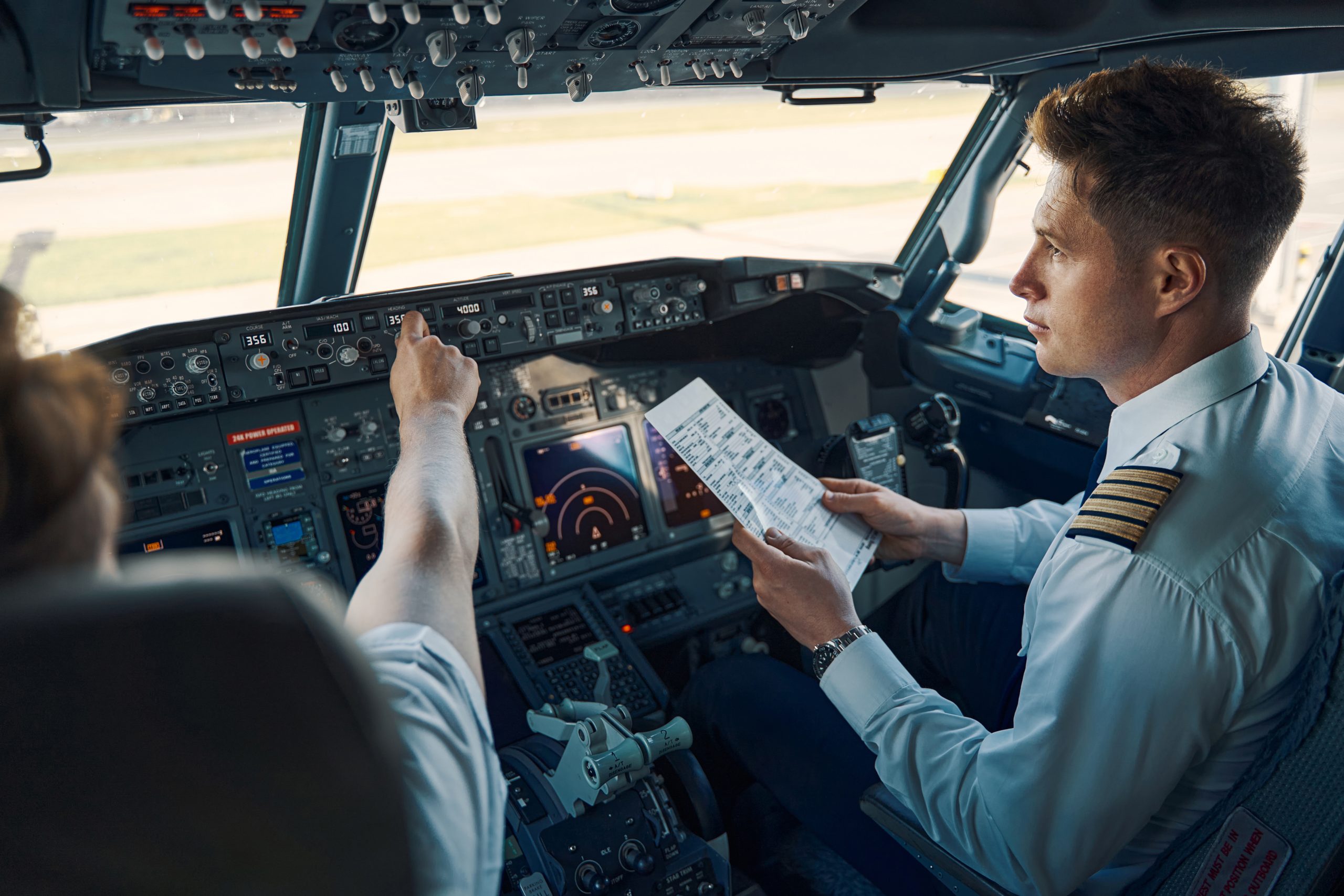
Airline & Business Jet Operations Observation Program
Observes airline and business-jet operations to identify threats, errors and human-performance patterns.
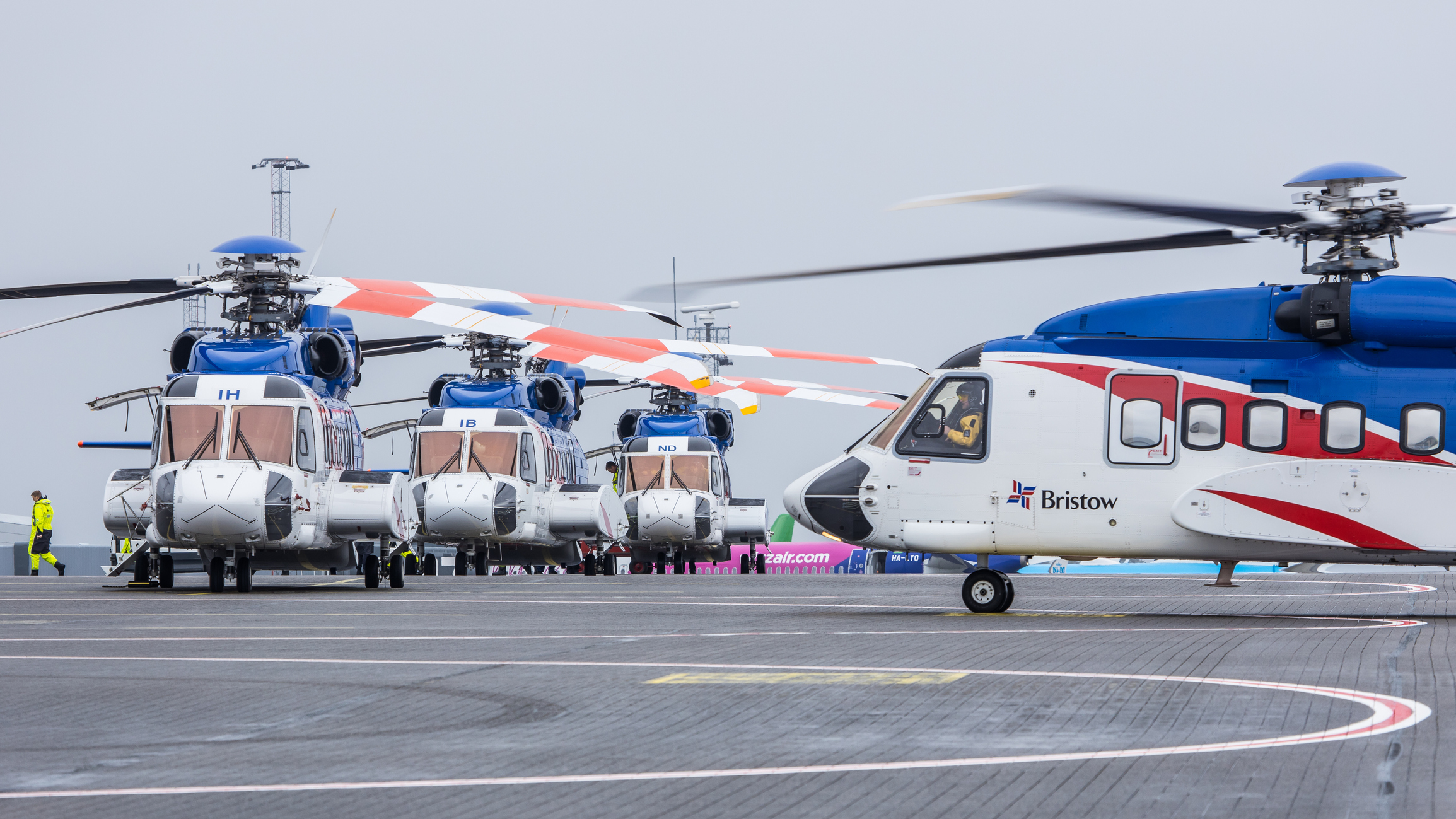
Offshore Helicopter Flight Operations Observation Program
Examines offshore helicopter missions, crew coordination and the management of operational threats.

Offshore Wind Helicopter Flight Operations Observation Program
Reviews helicopter operations supporting offshore wind, including turbine access and mission coordination.

Helicopter EMS & SAR Flight Operations Observation Program
Observes emergency medical and search-and-rescue flights to support safer, time-critical decisions.

Aerial Fire Fighting Flight Operations Observation Program
Examines aerial firefighting missions, operational coordination and the management of changing fire conditions.
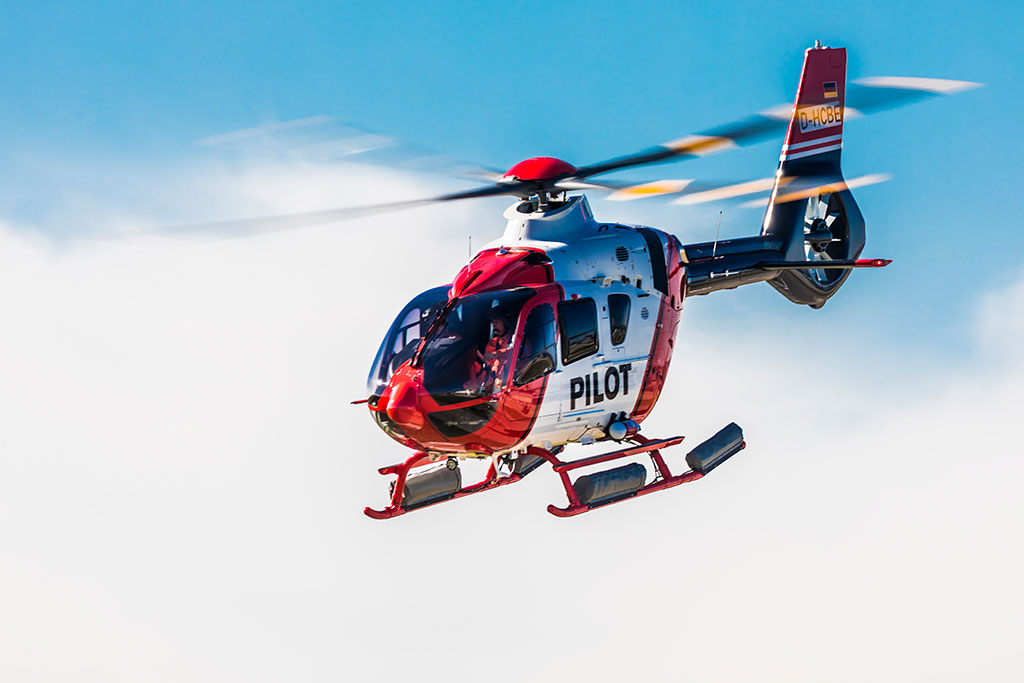
Marine Pilot Transfer Flight Operations Observation Program
Observes helicopter transfers of marine pilots to and from vessels, focusing on crew coordination, vessel interfaces and operational threats.
Photo source: Auriga Aviation

Maintenance Check Flight Operations Observation Program
Observes post-maintenance check flights and the handover between engineering and flight crews.

Specialised Helicopter Operations Observation Program
Examines specialised helicopter missions, complex tasks and coordination across operational teams.
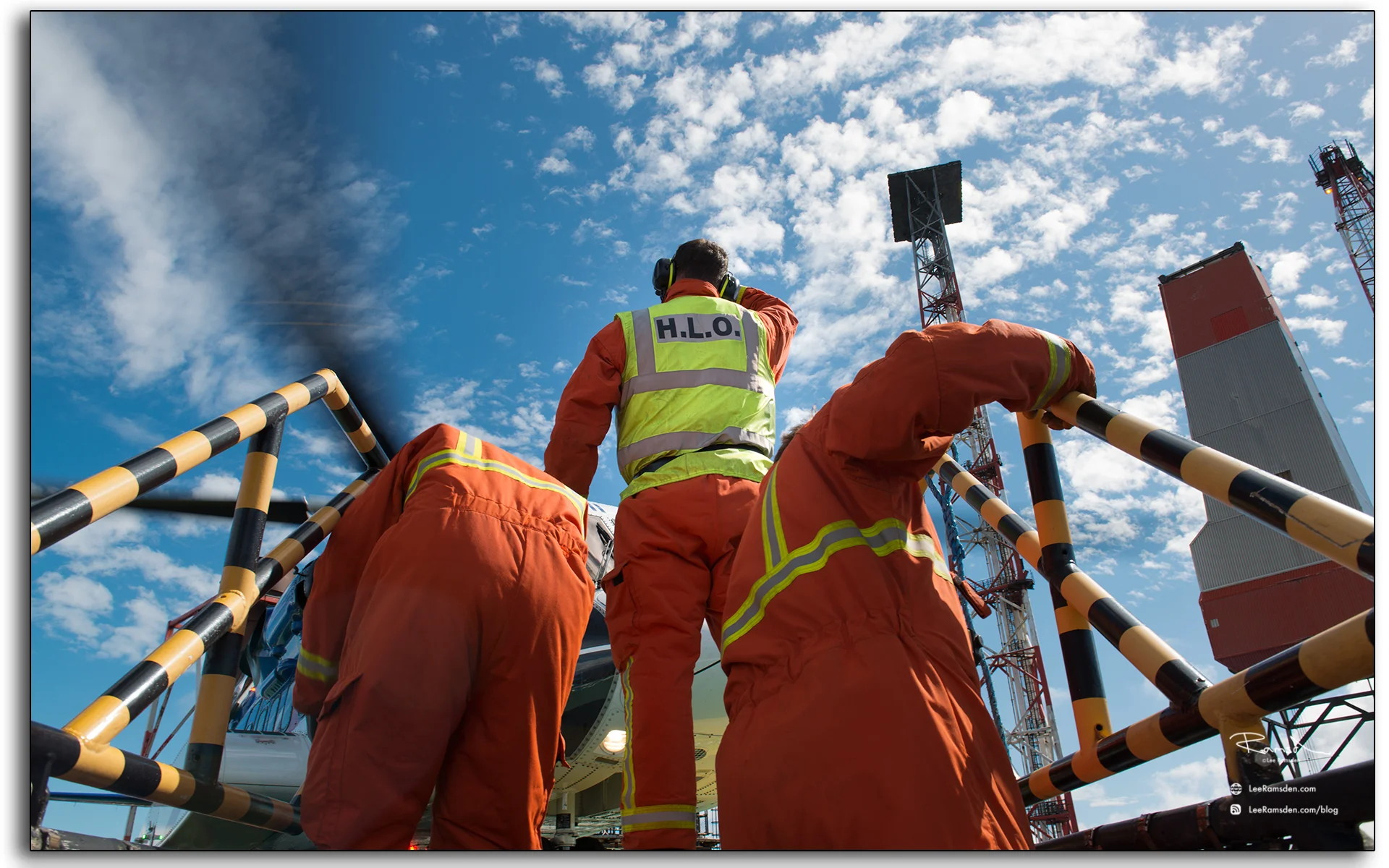
Helideck Operations Observation Program
Observes helideck activities, ground crews and offshore helicopter interfaces during normal operations.

Ground & Ramp Operations Observation Program
Reviews aircraft turnaround and ramp work, including people, equipment and aircraft interfaces.
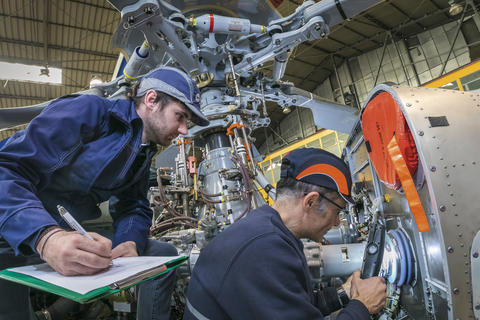
Maintenance Operations Observation Program
Observes everyday maintenance work to identify threats, procedural drift and practical improvements.

ATC Normal Operations Monitoring (ATC NOM OOP)
Examines normal air traffic control and air navigation service operations and their safety-critical interfaces.

Marine & Maritime Operations Observation Program
Observes vessel and maritime activities to identify operational threats and strengthen team coordination.

Offshore Wind Construction Operations Observation Program
Reviews offshore wind construction tasks, contractor coordination and complex operational interfaces.
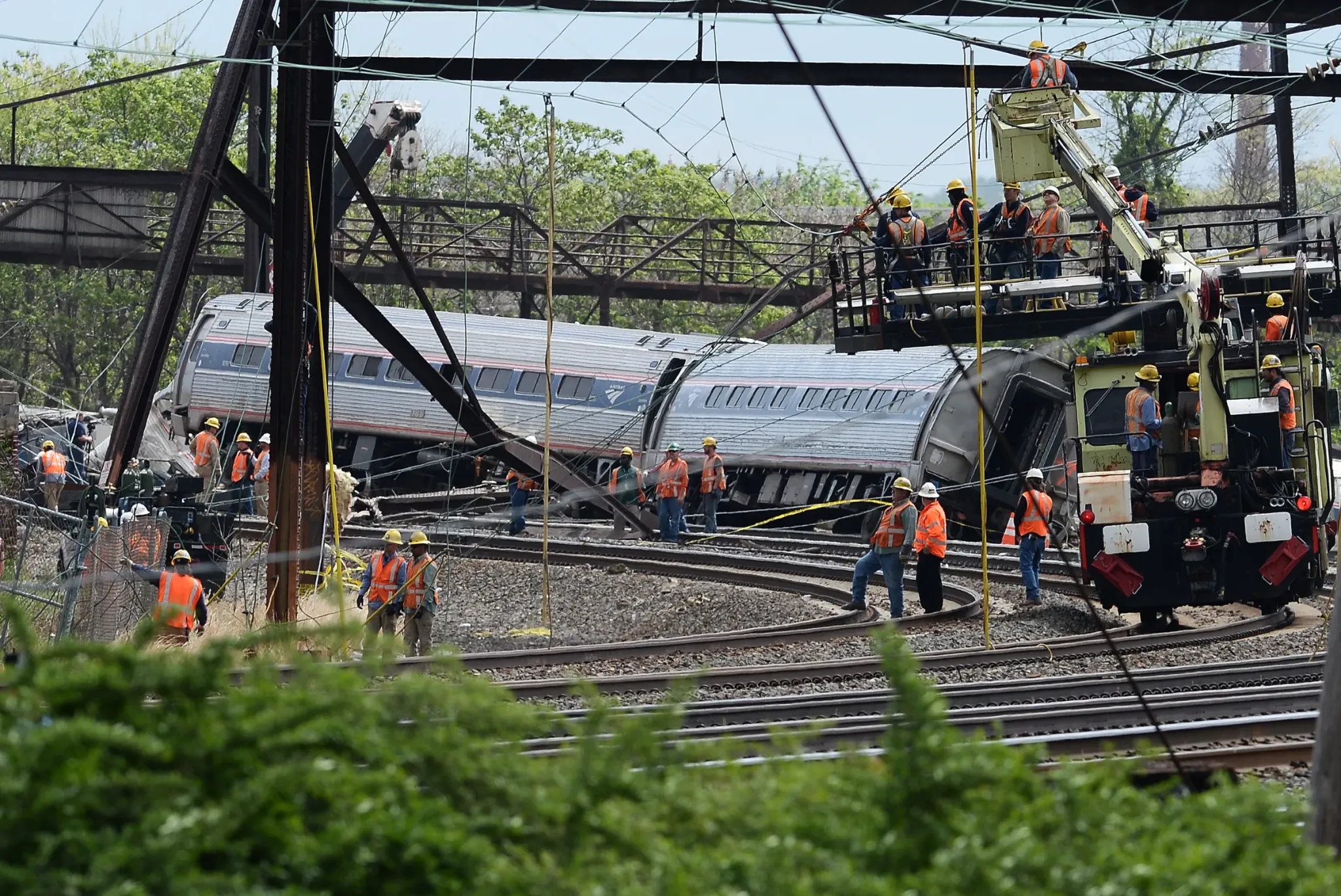
Rail Operations Observation Program
Examines normal rail work to identify weak signals and strengthen communication and operational recovery.
Integrated Safety Intelligence Engine (ISIE)
One intelligence layer. Fifteen operational perspectives.
ISIE supports the observation programmes by bringing structured operational evidence together for analysis, specialist review and management action. Each OOP supplies the context of its own work; ISIE helps turn that evidence into meaningful safety intelligence.
The purpose is to recognise recurring threats, errors, unsafe states, effective recoveries and behavioural or non-technical-skill patterns—then support informed decisions before weak signals develop into serious events.
Observe and organise
Bring together structured observations and relevant supporting evidence. Retain the programme, activity and operating context so findings remain meaningful.
Analyse and understand
Review recurring threats, errors, unsafe states and recoveries. Examine behavioural markers and non-technical skills alongside the conditions in which work occurred.
Prioritise and act
Use specialist interpretation to identify improvement priorities, support training and inform operational or management decisions.
Report and communicate
Present findings through agreed dashboards, intelligence reports, executive briefings and analyst discussion, suited to the audience and programme scope.
Monitor emerging risk
Review trends and emerging patterns to support earlier recognition of changing exposure. Predictive alerts and monitoring arrangements are defined for the agreed deployment.
Review and assure
Follow up agreed actions and subsequent observations to understand whether controls and improvement measures are working in normal operations.
How ISIE supports each OOP
Select a programme to see its operational focus and how its evidence contributes to safety intelligence.
Bell 412 external-load photograph: Peter Davies, MoD/MOD. Source · Open Government Licence v1.0. Cropped to fit.

ATC tower photograph: Mark Brouwer, source, CC BY-SA 2.5. Offshore blade-lift photograph: BOEM-OPA / RODEO Team, source, CC BY-SA 2.0. Photographs cropped to fit.


Airline & Business Jet Operations Observation Program — AOOP
Operational focus: Flight-deck coordination, monitoring, workload and effective recoveries across routine flight operations.
How ISIE supports this OOP: Organises the programme’s observation evidence, helps identify recurring threats, errors, unsafe states and effective recoveries, and supports specialist review of behavioural and non-technical-skill patterns.
Practical use: Findings can inform targeted briefings, training, control improvements and follow-up observations for this operating environment. Reporting and monitoring are tailored to the agreed programme scope.
Offshore Helicopter Flight Operations Observation Program — FOOP Offshore
Operational focus: Offshore flight phases, approach decisions, environmental threats and crew responses.
How ISIE supports this OOP: Organises the programme’s observation evidence, helps identify recurring threats, errors, unsafe states and effective recoveries, and supports specialist review of behavioural and non-technical-skill patterns.
Practical use: Findings can inform targeted briefings, training, control improvements and follow-up observations for this operating environment. Reporting and monitoring are tailored to the agreed programme scope.
Offshore Wind Helicopter Flight Operations Observation Program — FOOP Offshore Wind
Operational focus: Turbine-access conditions, aircraft–installation interfaces, workload and recovery opportunities.
How ISIE supports this OOP: Organises the programme’s observation evidence, helps identify recurring threats, errors, unsafe states and effective recoveries, and supports specialist review of behavioural and non-technical-skill patterns.
Practical use: Findings can inform targeted briefings, training, control improvements and follow-up observations for this operating environment. Reporting and monitoring are tailored to the agreed programme scope.
Helicopter EMS & SAR Flight Operations Observation Program — HEMS–SAR FOOP
Operational focus: Mission pressure, clinical or rescue coordination, changing conditions and shared situational awareness.
How ISIE supports this OOP: Organises the programme’s observation evidence, helps identify recurring threats, errors, unsafe states and effective recoveries, and supports specialist review of behavioural and non-technical-skill patterns.
Practical use: Findings can inform targeted briefings, training, control improvements and follow-up observations for this operating environment. Reporting and monitoring are tailored to the agreed programme scope.
Aerial Fire Fighting Flight Operations Observation Program — AFF FOOP
Operational focus: Fireground threats, drop or dip profiles, aircraft separation, abort decisions and ground interfaces.
How ISIE supports this OOP: Organises the programme’s observation evidence, helps identify recurring threats, errors, unsafe states and effective recoveries, and supports specialist review of behavioural and non-technical-skill patterns.
Practical use: Findings can inform targeted briefings, training, control improvements and follow-up observations for this operating environment. Reporting and monitoring are tailored to the agreed programme scope.
Marine Pilot Transfer Flight Operations Observation Program — MPT FOOP
Operational focus: Helicopter Marine Pilot Transfer missions, including vessel-deck readiness, flight crew–marine pilot–bridge communication, changing conditions, transfer activity and effective recoveries.
How ISIE supports this OOP: Organises the programme’s observation evidence, helps identify recurring threats, errors, unsafe states and effective recoveries, and supports specialist review of behavioural and non-technical-skill patterns.
Practical use: Findings can inform targeted briefings, training, control improvements and follow-up observations for this operating environment. Reporting and monitoring are tailored to the agreed programme scope.
Maintenance Check Flight Operations Observation Program — MCF FOOP
Operational focus: Technical handovers, test preparation, abnormal indications, stop criteria and return-to-service decisions.
How ISIE supports this OOP: Organises the programme’s observation evidence, helps identify recurring threats, errors, unsafe states and effective recoveries, and supports specialist review of behavioural and non-technical-skill patterns.
Practical use: Findings can inform targeted briefings, training, control improvements and follow-up observations for this operating environment. Reporting and monitoring are tailored to the agreed programme scope.
Specialised Helicopter Operations Observation Program — Specialised Helicopter OOP
Operational focus: Mission-specific threats, external interfaces, task coordination, safety margins and successful recoveries.
How ISIE supports this OOP: Organises the programme’s observation evidence, helps identify recurring threats, errors, unsafe states and effective recoveries, and supports specialist review of behavioural and non-technical-skill patterns.
Practical use: Findings can inform targeted briefings, training, control improvements and follow-up observations for this operating environment. Reporting and monitoring are tailored to the agreed programme scope.
Helideck Operations Observation Program — HOOP
Operational focus: Deck readiness, communications, passenger handling, crew coordination and aircraft–helideck interfaces.
How ISIE supports this OOP: Organises the programme’s observation evidence, helps identify recurring threats, errors, unsafe states and effective recoveries, and supports specialist review of behavioural and non-technical-skill patterns.
Practical use: Findings can inform targeted briefings, training, control improvements and follow-up observations for this operating environment. Reporting and monitoring are tailored to the agreed programme scope.
Ground & Ramp Operations Observation Program — GOOP
Operational focus: Turnaround sequencing, loading, refuelling, vehicle movements, handovers and effective ground controls.
How ISIE supports this OOP: Organises the programme’s observation evidence, helps identify recurring threats, errors, unsafe states and effective recoveries, and supports specialist review of behavioural and non-technical-skill patterns.
Practical use: Findings can inform targeted briefings, training, control improvements and follow-up observations for this operating environment. Reporting and monitoring are tailored to the agreed programme scope.
Maintenance Operations Observation Program — MOOP
Operational focus: Maintenance task execution, interruptions, tool control, handovers, cross-checks and procedural drift.
How ISIE supports this OOP: Organises the programme’s observation evidence, helps identify recurring threats, errors, unsafe states and effective recoveries, and supports specialist review of behavioural and non-technical-skill patterns.
Practical use: Findings can inform targeted briefings, training, control improvements and follow-up observations for this operating environment. Reporting and monitoring are tailored to the agreed programme scope.
ATC Normal Operations Monitoring — ATC NOM OOP
Operational focus: Traffic complexity, coordination, read-backs, handovers, workload and recovery from emerging conflicts.
How ISIE supports this OOP: Organises the programme’s observation evidence, helps identify recurring threats, errors, unsafe states and effective recoveries, and supports specialist review of behavioural and non-technical-skill patterns.
Practical use: Findings can inform targeted briefings, training, control improvements and follow-up observations for this operating environment. Reporting and monitoring are tailored to the agreed programme scope.
Marine & Maritime Operations Observation Program — MAROOP
Operational focus: Bridge and deck coordination, vessel interfaces, task planning, communications and recovery actions.
How ISIE supports this OOP: Organises the programme’s observation evidence, helps identify recurring threats, errors, unsafe states and effective recoveries, and supports specialist review of behavioural and non-technical-skill patterns.
Practical use: Findings can inform targeted briefings, training, control improvements and follow-up observations for this operating environment. Reporting and monitoring are tailored to the agreed programme scope.
Offshore Wind Construction Operations Observation Program — OWCI OOP
Operational focus: Construction sequencing, lifting and marine interfaces, contractor handovers and changing site conditions.
How ISIE supports this OOP: Organises the programme’s observation evidence, helps identify recurring threats, errors, unsafe states and effective recoveries, and supports specialist review of behavioural and non-technical-skill patterns.
Practical use: Findings can inform targeted briefings, training, control improvements and follow-up observations for this operating environment. Reporting and monitoring are tailored to the agreed programme scope.
Rail Operations Observation Program — ROOP
Operational focus: Train handling, signalling, route authority, track-work interfaces, communication and recovery opportunities.
How ISIE supports this OOP: Organises the programme’s observation evidence, helps identify recurring threats, errors, unsafe states and effective recoveries, and supports specialist review of behavioural and non-technical-skill patterns.
Practical use: Findings can inform targeted briefings, training, control improvements and follow-up observations for this operating environment. Reporting and monitoring are tailored to the agreed programme scope.
Agree the scope before deployment
Each engagement defines observation criteria, data access, confidentiality, reviewer responsibilities, reporting outputs and follow-up arrangements. ISIE can support an individual programme or a coordinated portfolio while preserving each operation’s context.
Discuss your requirements
Tell us about your organisation, operational environment and the support you need.