
Specialised Helicopter Operations Observation Program
Make mission-specific coordination and recovery practices visible in specialised helicopter work.
Aim / purpose
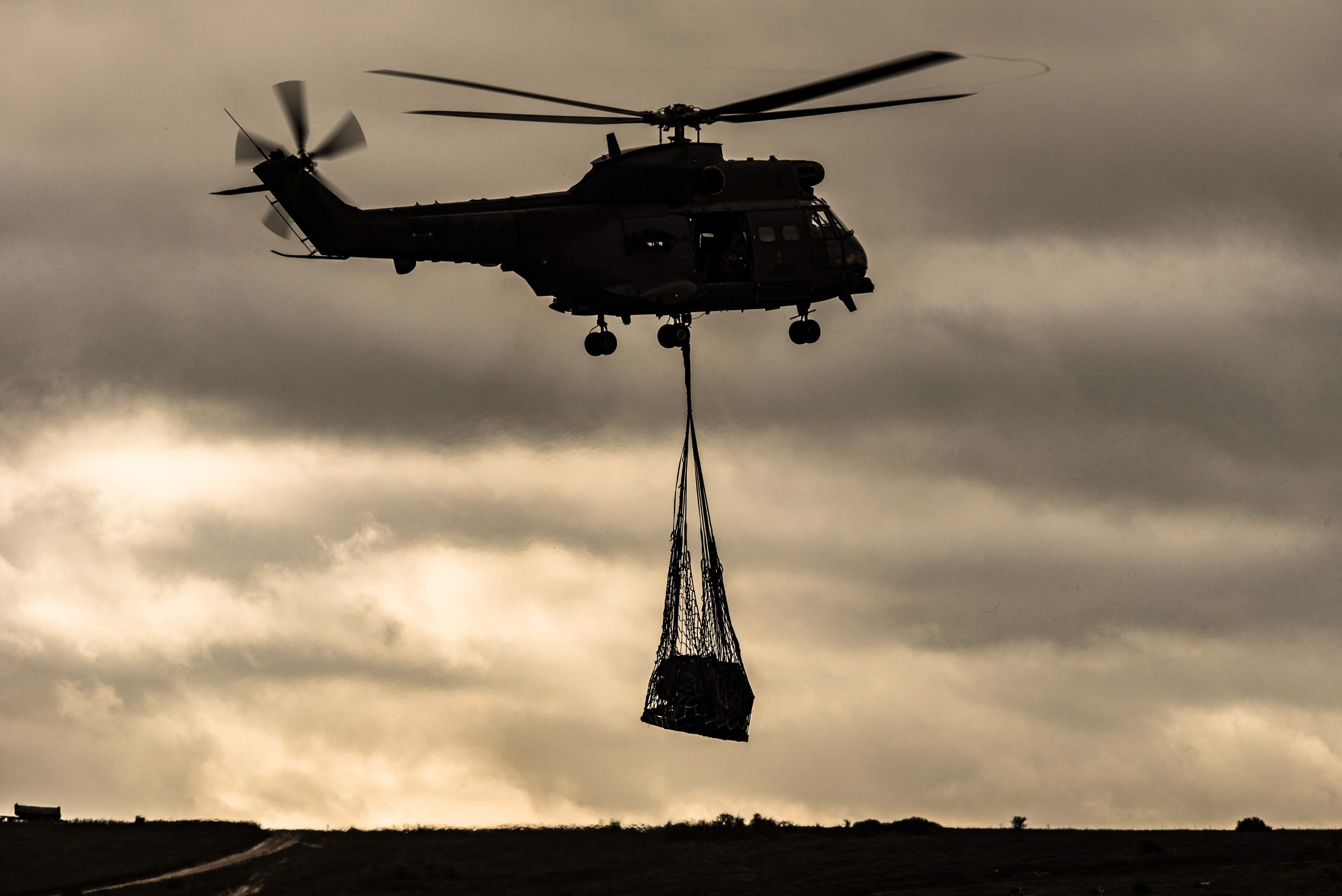
This programme examines normal work in specialised helicopter missions, with an observation scope tailored to the activity. External-load operations are one example: safe execution depends on the interaction between the flight crew, load team, support personnel and the operating environment.
Observe normal work, understand how threats and errors are managed, and use the findings to guide practical improvements.
Primary operations observed
Task planning and briefing
Observe the shared understanding of objectives, roles, communications, site constraints and the conditions that require the task to stop or change.
Aircraft and ground-team coordination
Review the quality and timing of instructions, acknowledgement of information and the management of aircraft–load–ground interfaces.
Task execution and monitoring
Examine workload, situational awareness, monitoring and the way teams respond to changes in the mission or operating environment.
Recovery and reassessment
Observe the communication of concerns, discontinuation of an unsuitable task and the reassessment needed before operations resume.
Benefits
Turn frontline observations into practical safety intelligence for Specialised Helicopter OOP.
Operational visibility
Identify recurring pressures, interface problems and effective recoveries that may be missed in event reports alone.
Targeted improvement
Use reviewed findings to prioritise changes to briefings, coordination, procedures and training.
Learning and assurance
Follow actions through to practical outcomes and use later observations to assess whether improvements are working.
Target audience
- Specialised helicopter operators and flight crews
- External-load, utility and task-support teams
- Client aviation, training, safety and assurance personnel
Management system fit
Develop criteria around the operator’s approved mission procedures and relevant ground interfaces. The programme complements technical and operational assurance and does not replace mission-specific qualifications or approvals.
How ISIE supports Specialised Helicopter OOP
From observations to useful themes
Help reviewers distinguish recurring interface problems from circumstances unique to a task. Reviewed themes can inform practical changes to briefings, communications and task-control arrangements.
Keep specialist review at the centre
ISIE can support the organisation and review of observation evidence, recurring threats, errors and effective recoveries. Interpretation, action ownership and operational decisions remain with the responsible specialists.
A practical deployment pathway
1. Agree the scope
Define activities, interfaces, observation criteria and the questions the programme should help answer.
2. Prepare the team
Agree observer preparation, confidentiality, workforce communication, data access and reviewer responsibilities.
3. Observe normal work
Capture context, threats, errors, responses and effective recoveries using the agreed observation method.
4. Review and act
Review themes, agree proportionate actions, assign owners and plan follow-up observation.
Discuss your Specialised Helicopter OOP requirements
Agree the programme scope, reporting outputs and follow-up arrangements with TPAS.
Contact us about Specialised Helicopter OOP
The programme is selected below. Add your organisation and the operational scope you would like to discuss.