
Offshore Wind Helicopter Flight Operations Observation Program
Support reliable coordination between helicopter crews, offshore wind assets and the teams they serve.
Aim / purpose
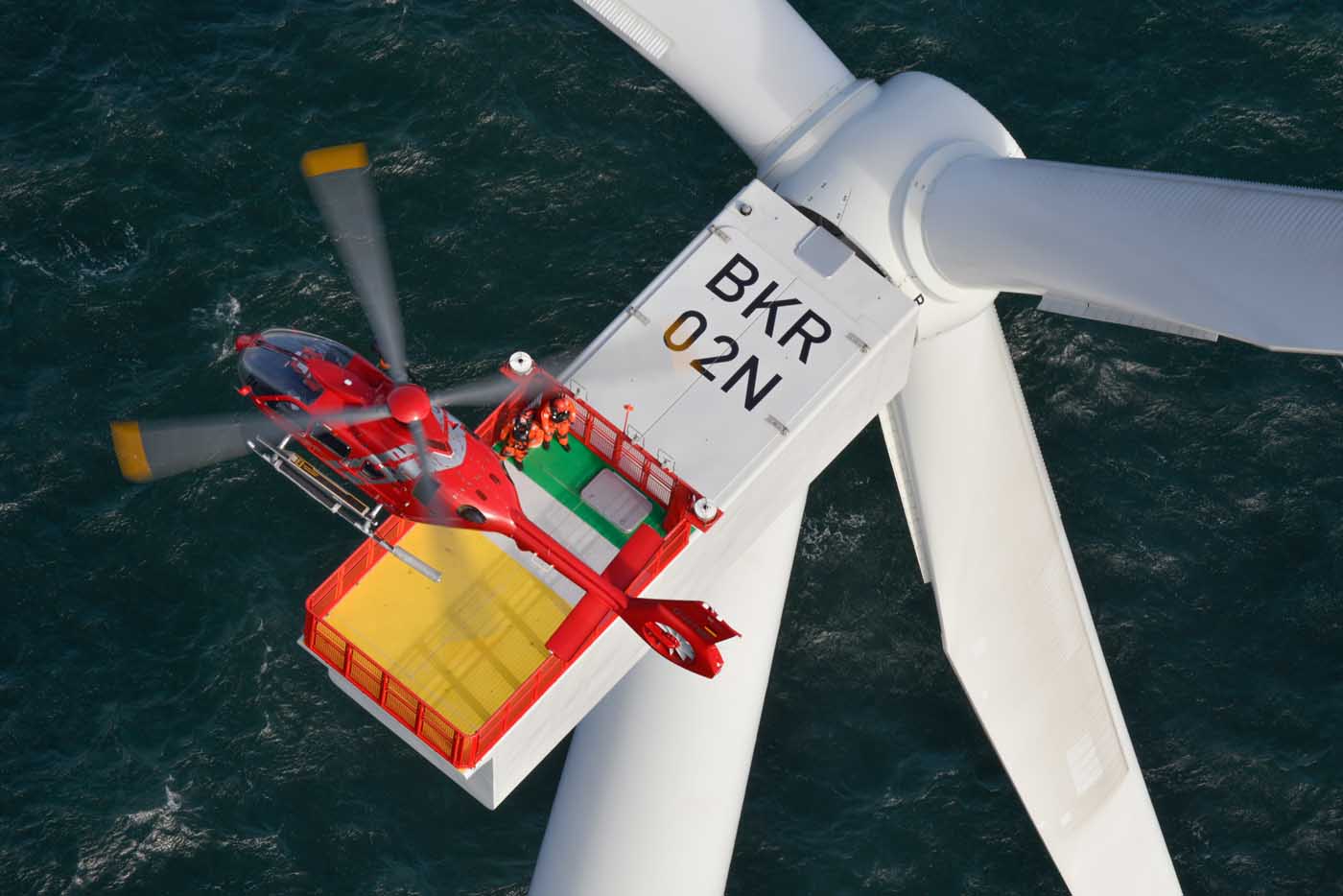
This programme observes helicopter missions supporting offshore wind operations. It explores the interaction between flight planning, turbine or offshore-asset access, changing environmental conditions and the coordination of aircraft, vessel and site teams.
Observe normal work, understand how threats and errors are managed, and use the findings to guide practical improvements.
Primary operations observed
Mission and access planning
Observe the availability and exchange of destination information, access arrangements, task requirements and agreed operating limits.
Aircraft–asset interfaces
Examine identification, approach planning, obstacle awareness and the communications supporting an aircraft’s interaction with an offshore asset.
Transfers and task coordination
Where included in the agreed scope, observe the briefings, communications and workload associated with personnel or equipment transfer activities.
Changing conditions and recovery
Consider how crews and support teams recognise deteriorating conditions, revise plans and communicate a hold, discontinuation or alternative course of action.
Benefits
Turn frontline observations into practical safety intelligence for Offshore Wind FOOP.
Operational visibility
Identify recurring pressures, interface problems and effective recoveries that may be missed in event reports alone.
Targeted improvement
Use reviewed findings to prioritise changes to briefings, coordination, procedures and training.
Learning and assurance
Follow actions through to practical outcomes and use later observations to assess whether improvements are working.
Target audience
- Helicopter operators supporting offshore wind
- Wind-farm aviation, access and logistics teams
- Marine coordination, safety and assurance personnel
Management system fit
Align observation criteria with the operator’s approved procedures, site access arrangements and offshore interface controls. The programme provides operational learning alongside existing technical, marine and aviation assurance.
How ISIE supports Offshore Wind FOOP
From observations to useful themes
Help reviewers relate observations to mission type, asset interface and environmental context. This supports focused discussion of repeated coordination problems and the conditions in which effective recoveries occur.
Keep specialist review at the centre
ISIE can support the organisation and review of observation evidence, recurring threats, errors and effective recoveries. Interpretation, action ownership and operational decisions remain with the responsible specialists.
A practical deployment pathway
1. Agree the scope
Define activities, interfaces, observation criteria and the questions the programme should help answer.
2. Prepare the team
Agree observer preparation, confidentiality, workforce communication, data access and reviewer responsibilities.
3. Observe normal work
Capture context, threats, errors, responses and effective recoveries using the agreed observation method.
4. Review and act
Review themes, agree proportionate actions, assign owners and plan follow-up observation.
Discuss your Offshore Wind FOOP requirements
Agree the programme scope, reporting outputs and follow-up arrangements with TPAS.
Contact us about Offshore Wind FOOP
The programme is selected below. Add your organisation and the operational scope you would like to discuss.